✕
 Ask the Community
Add to shortlist
Achieving a gross profit margin of 69% with surprisingly low capital and a "self-cook" style!


Hamayaki Taro is a low-investment izakaya franchise that can be started with just 1.8 million yen in personal funds, based on the concept of "fresh, delicious, and energetic." With a new style where you cook the ingredients yourself, it's not only cheap and tasty, but also has the added bonus of "fun." By utilizing existing premises, it's possible to start with low risk and low investment, and labor costs can be kept to a minimum, resulting in a high gross profit margin of 69% and a quick return on initial investment.
Estimated Startup Cost:Up to ¥5,000,000
Industry:Food & Beverage/Delivery
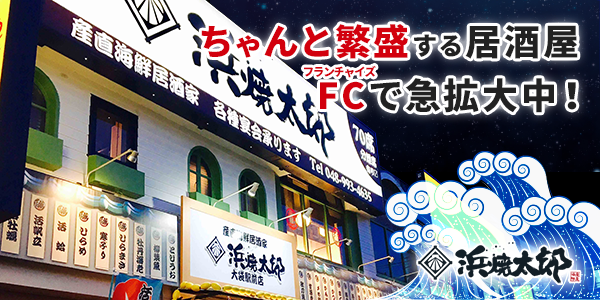
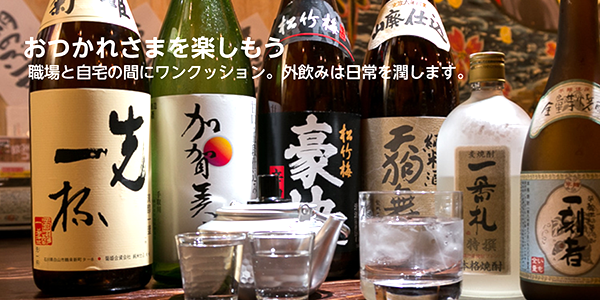
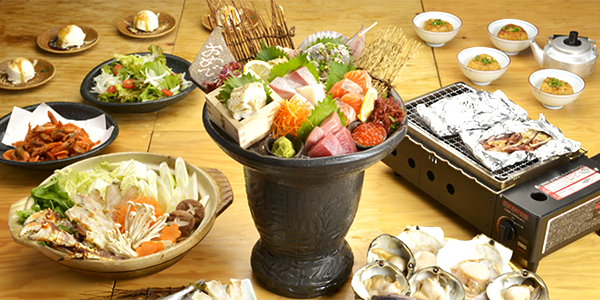
The appeal of Hamayaki Taro lies in its "self-cooking system," where customers grill their own food. This eliminates the need for many cooks, and staff can handle both front-of-house and kitchen duties, allowing for small-scale operations and lower labor costs. Furthermore, if you choose a pre-existing space, interior construction costs can start at a low 190,000 yen per tsubo (approximately 3.3 square meters). This cost reduction is achieved by adopting a simple "beach house" interior concept for Hamayaki Taro. Both the self-cooking system and the interior concept directly contribute to "low costs," and the more successful the restaurant becomes, the more effective it becomes!
■ 32% Food Cost Ratio Through Bulk Purchasing!
The average food cost ratio for izakayas (Japanese pubs) is 28-35%, which is maintained by offering low-cost drinks. However, Hamayaki Taro's 32% food cost ratio is not achieved through drinks, but through bulk purchasing of fresh, delicious, and highly profitable ingredients from local fishermen! Fresh ingredients are one of the strong reasons why customers visit Hamayaki Taro.
■ 23% Labor Costs Through Self-Cooking!
Because customers cook their own food, it's possible to operate with fewer staff. Labor costs can be kept down to 23%.
■ An Amazing 60% FLR Ratio!
The FLR ratio shows the ratio of FOOD (ingredients) + LABOR (labor costs) + RENT (rent) to sales. Generally, in the food and beverage industry, it is said that profits can be made if the FLR ratio is kept at around 60%. At Hamayaki Taro, bulk purchasing of ingredients makes it easy to maintain a 60% FLR ratio and enable long-term business management.
At Hamayaki Taro, professionals in each field provide comprehensive support, from franchise membership and pre-opening preparations to post-opening operations. They generously share the headquarters' expertise.
■ Property Development Professionals: Providing information on local traffic flow and market areas, real estate negotiations, and property listings.
■ Food and Beverage Property Professionals: Design and overall production by construction companies specializing in food and beverage properties.
■ Store Opening Professionals: Sales promotion tailored to each store, necessary equipment, recruitment, campaigns, etc.
■ Store Operation Professionals: Advice on work flow confirmation, storefront (facade) strategies, and staffing positions and roles.
Many current owners comment that "there are few restrictions, allowing for freedom in store design, yet the support is excellent." This support system and the relationship between headquarters and franchisees are key to the success of independent Hamayaki Taro businesses.
Franchise fee: 1.8 million yen
In addition, interior construction work is possible from 190,000 yen/tsubo (approx. 3.3 sq m).
*All prices exclude tax
*Other costs may apply, and the information may not be up-to-date. Please be aware of this in advance.
Sales Revenue: ¥2,840,000
Gross Profit: ¥1,950,000
Cost of Goods Sold: ¥890,000
Expenses: ¥1,510,000 (Royalties, personnel costs, etc.)
Operating Profit: ¥440,000
*Royalties are 5% of sales.
*All figures are exclusive of tax.
*Other expenses may apply, and the figures may not be the most up-to-date. Please be aware of this in advance.
■ Before Opening
• Store development and design support
• Opening support
• Store operation support
• Free training: Minimum 6 days (extendable)
■ Post-Opening Support
• Product development tailored to the local area
• New menu offerings
• Marketing strategies through events, TV, magazines, and the web




 Help
Help