✕
 Ask the Community
Add to shortlist
Outdoor play combined with support for school absentees is attracting attention!!


"After-school day care services are not just a welfare service; they are a social infrastructure that supports the future of children. We propose a new form of child-rearing that utilizes the power of nature. No experience is necessary. Let's work together to spread smiles on children's faces across the country! Please request information to get started."
Estimated Startup Cost:Up to ¥10,000,000
Industry:Various Services
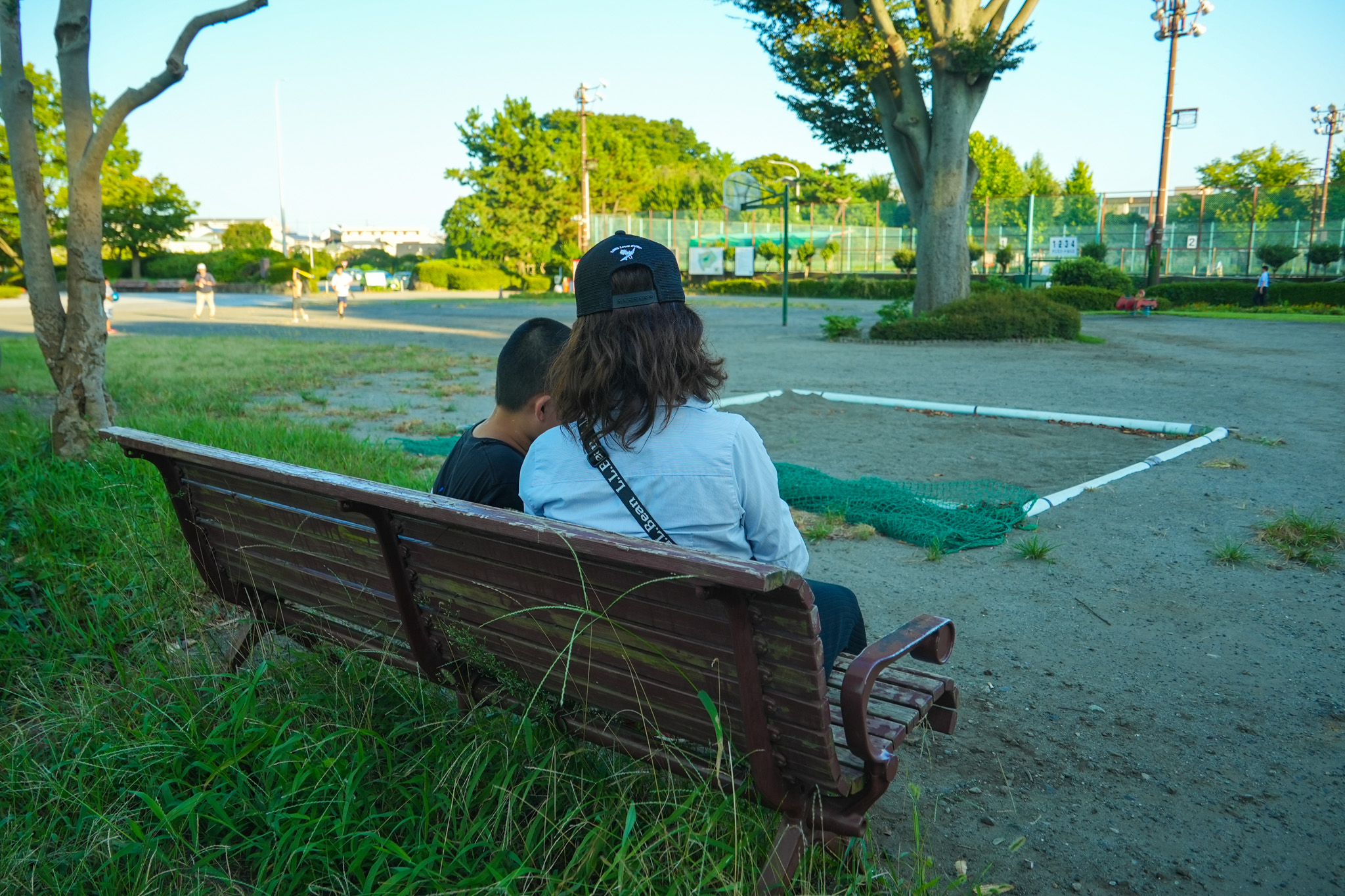
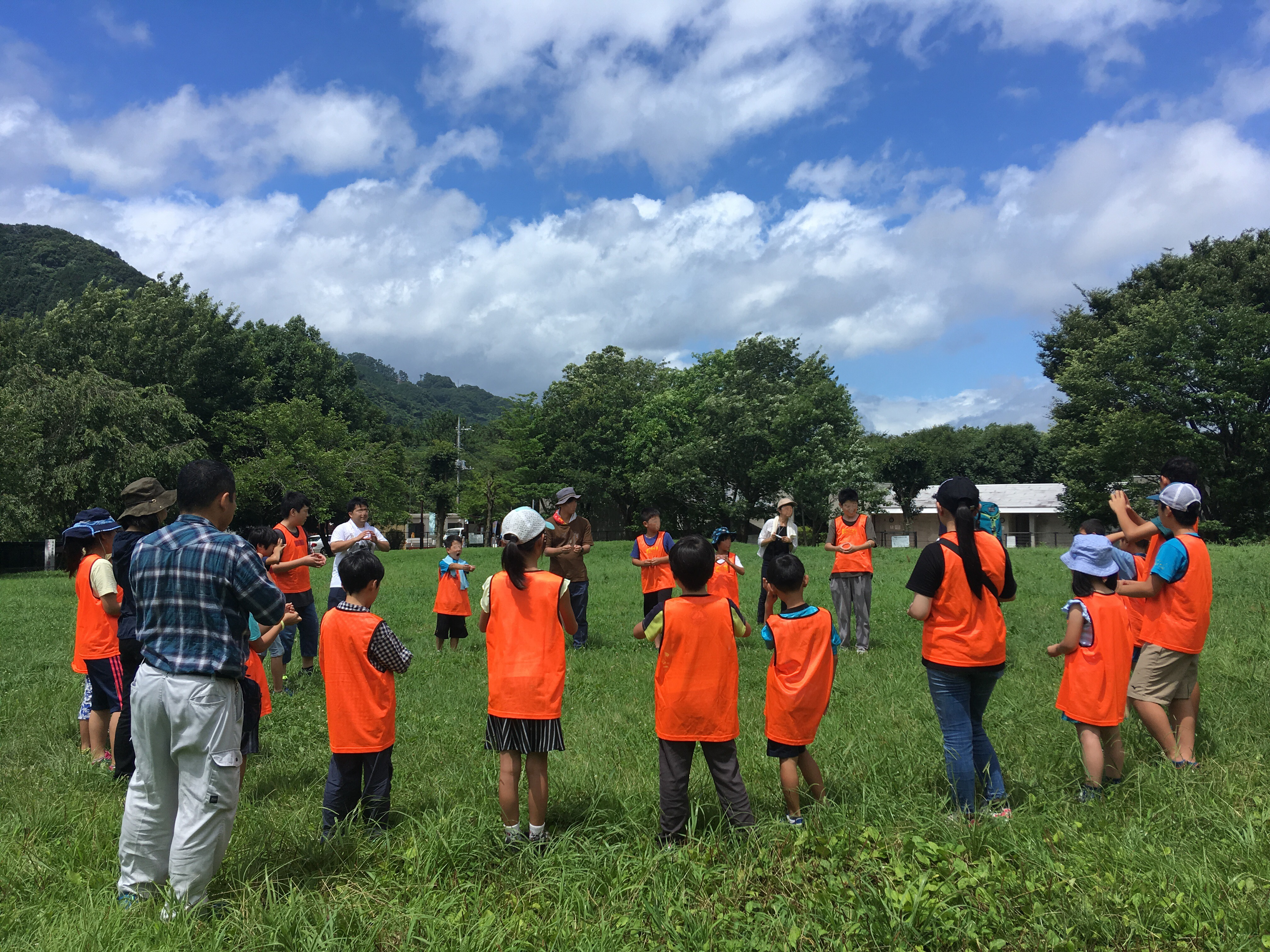

"Taiyo no Mura" (Sun Village) is an after-school day service that started as a nature experience class and now supports children who are truant or have developmental disabilities with its unique program centered on outdoor play. It was born from the desire of its female owner, Sayaka Yoshikawa, to "create a place that my own child would want to attend," and its therapeutic style centered on outdoor play sets it apart from existing welfare facilities and has gained great support. In addition, by accepting truant children in the mornings, it further differentiates itself from others.
While competitors include general after-school day care facilities, most are limited to indoor activities, and very few facilities offer programs specifically focused on nature experiences and outdoor play. Furthermore, there are currently few facilities specializing in supporting children who refuse to attend school. "Taiyo no Mura" (Sun Village) differentiates itself with its unique model combining "outdoor therapy" and "approaches to children who refuse to attend school," and has earned a strong reputation for its collaboration with government agencies and schools.
"Taiyo no Mura" (Sun Village) serves elementary, middle, and high school students who tend to be truant or have developmental concerns. In particular, many of these children and their parents have difficulty adjusting to school and are resistant to indoor therapy, so they choose "a place where they can open their hearts in nature and connect with society." In fact, word of mouth and referrals through community partnerships are the main channels for attracting users, and some days are at full capacity within six months of opening. The attendance rate is high, and stable operation is possible even with 7 to 10 children attending per day.
The initial costs, including franchise fees, security deposits, and training fees, are approximately 3 million yen (tax included). Adding property acquisition costs and interior renovation costs, the total cost required to open a business is approximately 10 million yen. (Note: Payment from the government program is made two months after the start of operations.) As this is a government-backed business, it is easy to become profitable within one year of opening, and once the first location is established, it is easy to consider expanding to multiple locations. Supported by the government's compensation system, long-term and stable operation is possible.
After-school day care services are a "system-based business" where the government pays subsidies (remuneration) based on the number of children who attend. Unlike cram schools or music lessons, there's no worry about unpaid fees (though parents are responsible for 10% of the cost).
[Estimated Revenue] For a facility with a capacity of 10 children, with 9 children attending per day and operating 20 days a month, revenue would be approximately 2 million yen. Even after deducting operating expenses, monthly operating profit would exceed 500,000 yen, making an operating profit margin of over 20% a realistic goal.
We handle the complex administrative applications required before opening your facility at our headquarters. We provide complete support throughout the startup phase, from property selection and equipment list provision to recruitment support and staff training. Even after opening, we offer monthly training sessions for child development managers and management consultations, allowing even those new to facility management to operate with confidence. In addition, during the first year, the representative and headquarters staff will accompany you to your site and conduct regular visits. Manuals, forms, and therapeutic programs are also provided as standard, enabling even those without experience in the welfare industry to aim for high-level operation.




 Help
Help