Franchises for Independence/Startup with ¥1.01–5 Million
 Recommended Points for Franchises with ¥1.01–5 Million
■More Industries Become Available!
With startup funds up to ¥5 million, in addition to store-less businesses such as cleaning, caregiving, and repair, you can also pursue meal delivery and restaurant franchises.
■Whether to Have a Store Is a Major Turning Point!
For store-based businesses, startup costs vary by property expense. With startup funds up to ¥5 million, options include franchising with a small store or cases where the franchisor provides the property. If you want to keep property acquisition costs down, visiting-type businesses are also recommended.
■Watch Out for Running Costs
Although this is a very attractive price range for startup funds, if you open a store-based business, watch out for fixed costs such as lease fees, and also factor in running costs such as various post-opening expenses.
144 results found
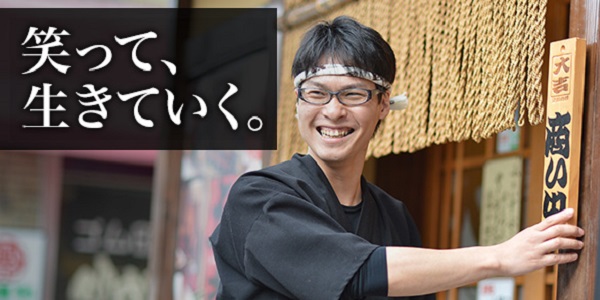


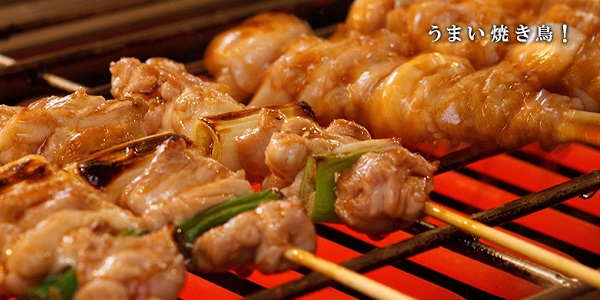
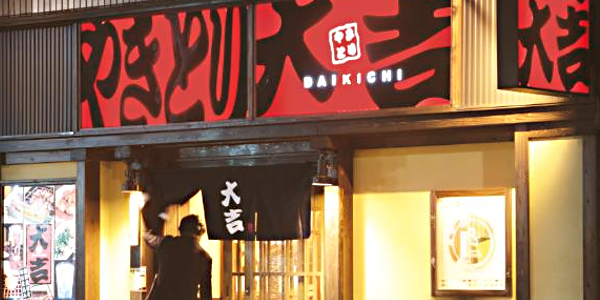
Generally, starting a restaurant requires over 10 million yen, but with Daikichi, you can become independent with a franchise fee starting from 1.5 million yen (*), making it possible to start a business even with limited funds. (Applicants who pass the interview will also be referred to the Japan Finance Corporation.) We support people who want to start their own business but have limited funds. In addition, even if you have no experience in the food and beverage industry, you will learn preparation, cooking, and operations for a total of three months at three successful training restaurants, making it ideal for those who want to become their own boss from scratch. (*) An additional 700,000 to 1 million yen is required for actual startup costs.
Starting from scratch Jobs with no retirement age Start with low capital A couple becomes independent Store handover system
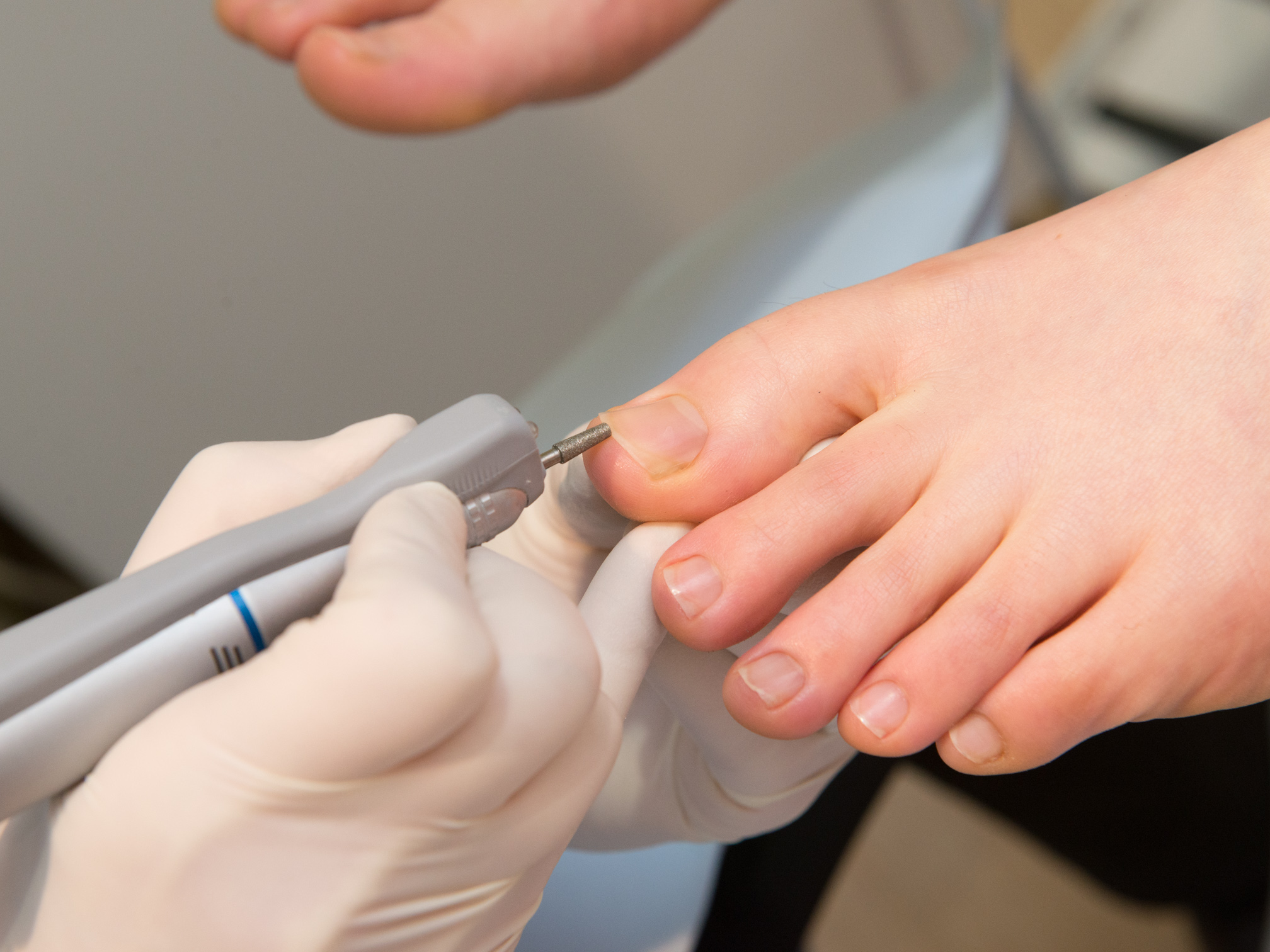

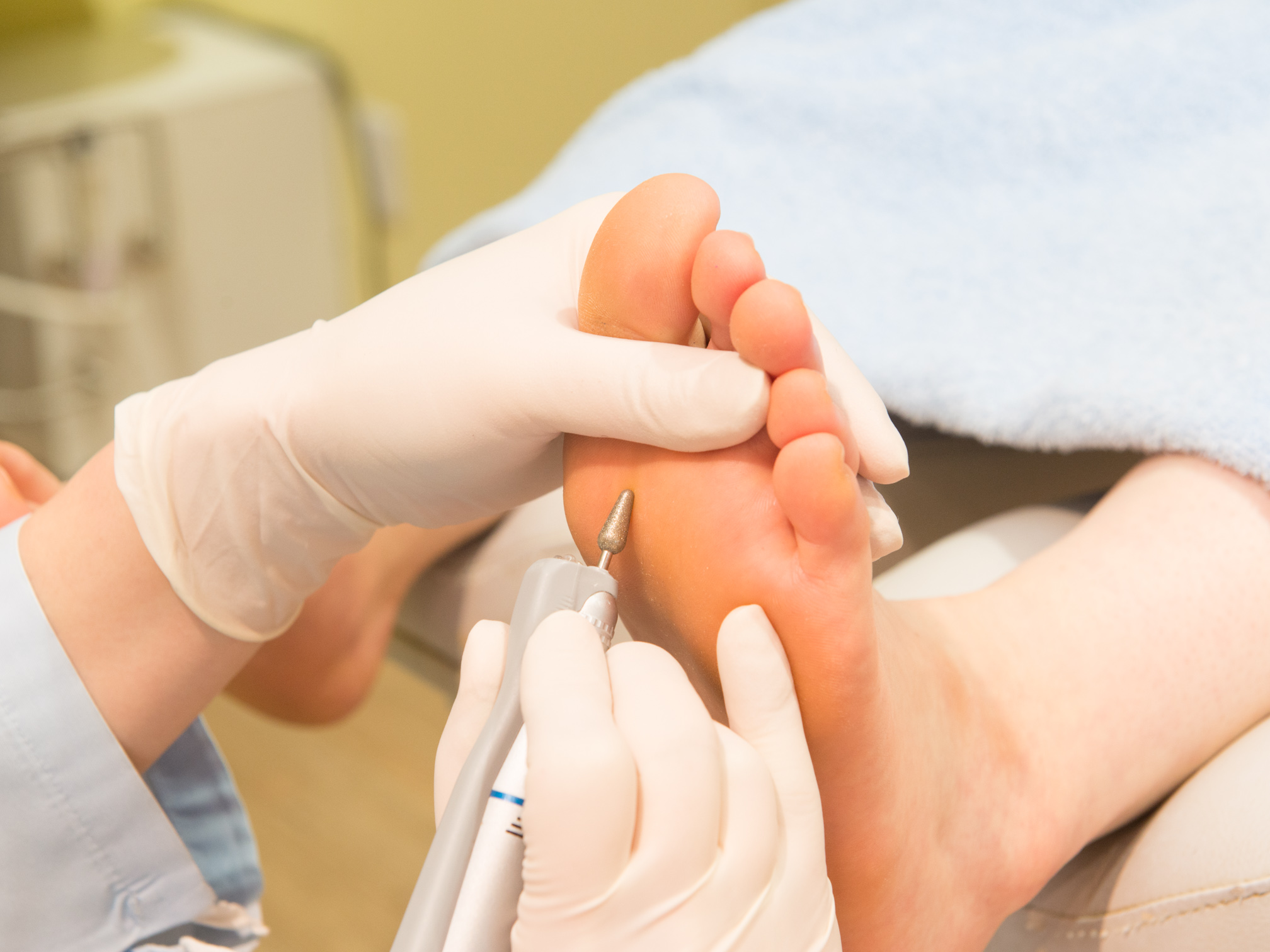
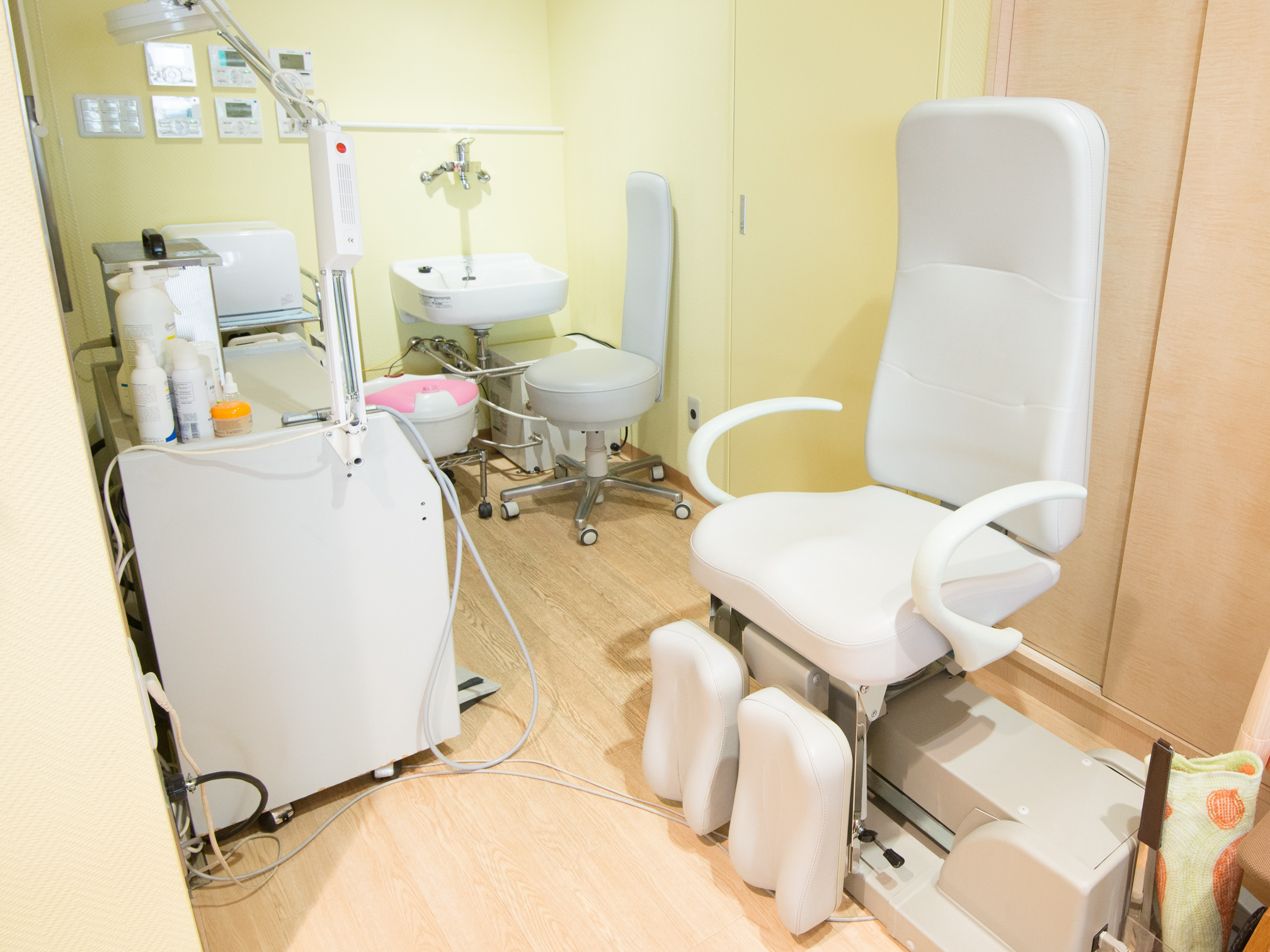
We introduce suitable locations within commercial facilities, and since you can open a store in just a few square meters, you can start immediately. The projected sales for the first store are less volatile, allowing for a quick return on investment. Furthermore, headquarters support, including zero franchise fees for subsequent stores, reduces the risk of opening a new store, and the success of the first store works to your advantage when seeking further funding. Opening costs can be covered by public loans, leases, and credit. We provide advice based on our accumulated experience, from checking documents for opening loans to store layout. Funding can be tailored to your own capital. The partnership agreement fee is only for the first store; there is no agreement fee for subsequent stores, making it easier to expand. Previous work experience is irrelevant. We offer a training curriculum (approximately 1 month) that allows even inexperienced individuals to easily acquire authentic German techniques. You will learn store operations, including customer service techniques and customer management, through our internship program at our directly managed flagship store. Furthermore, we provide direct instruction at an actual store before opening. We will train you to become a foot care professional quickly.
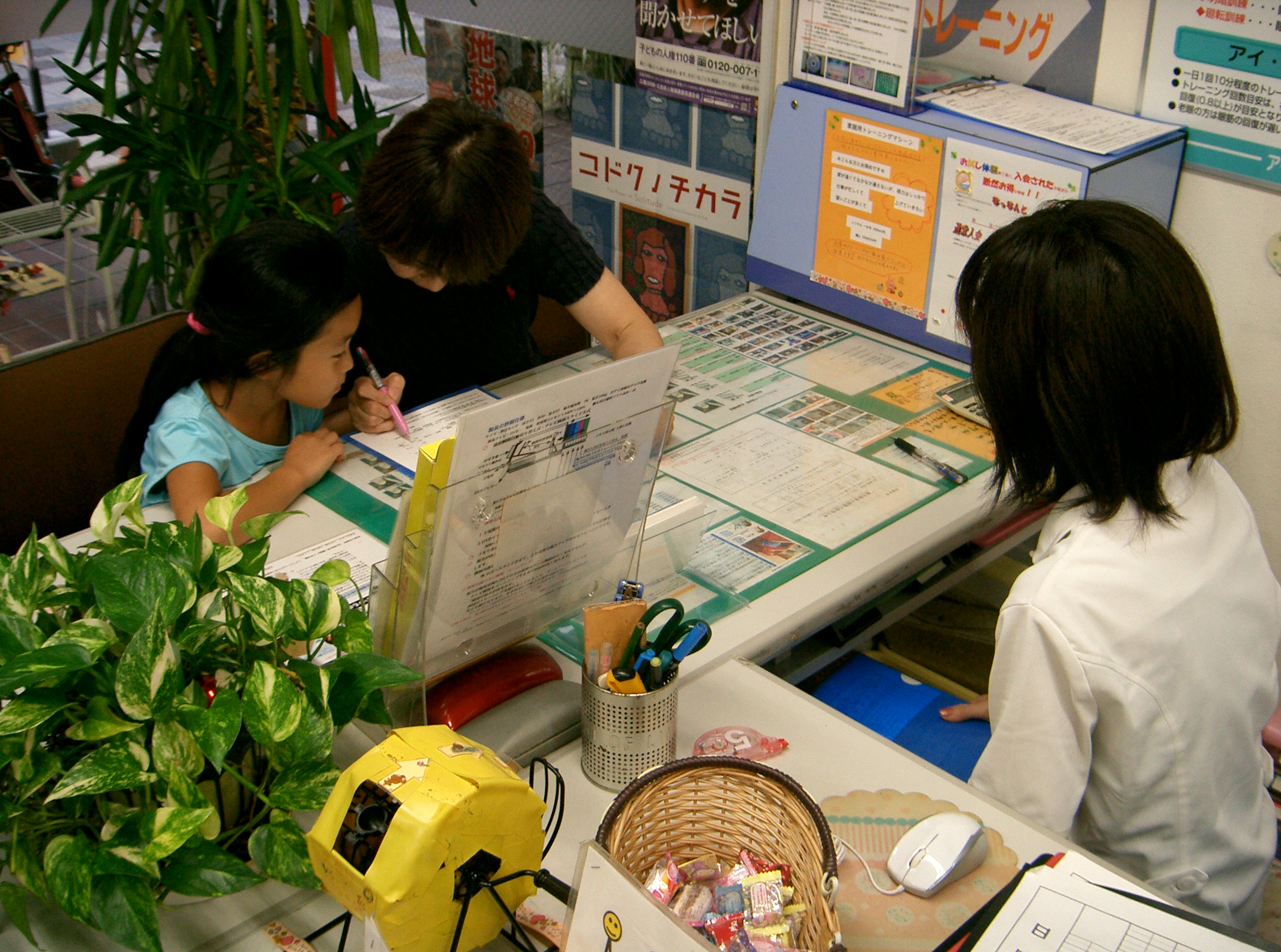
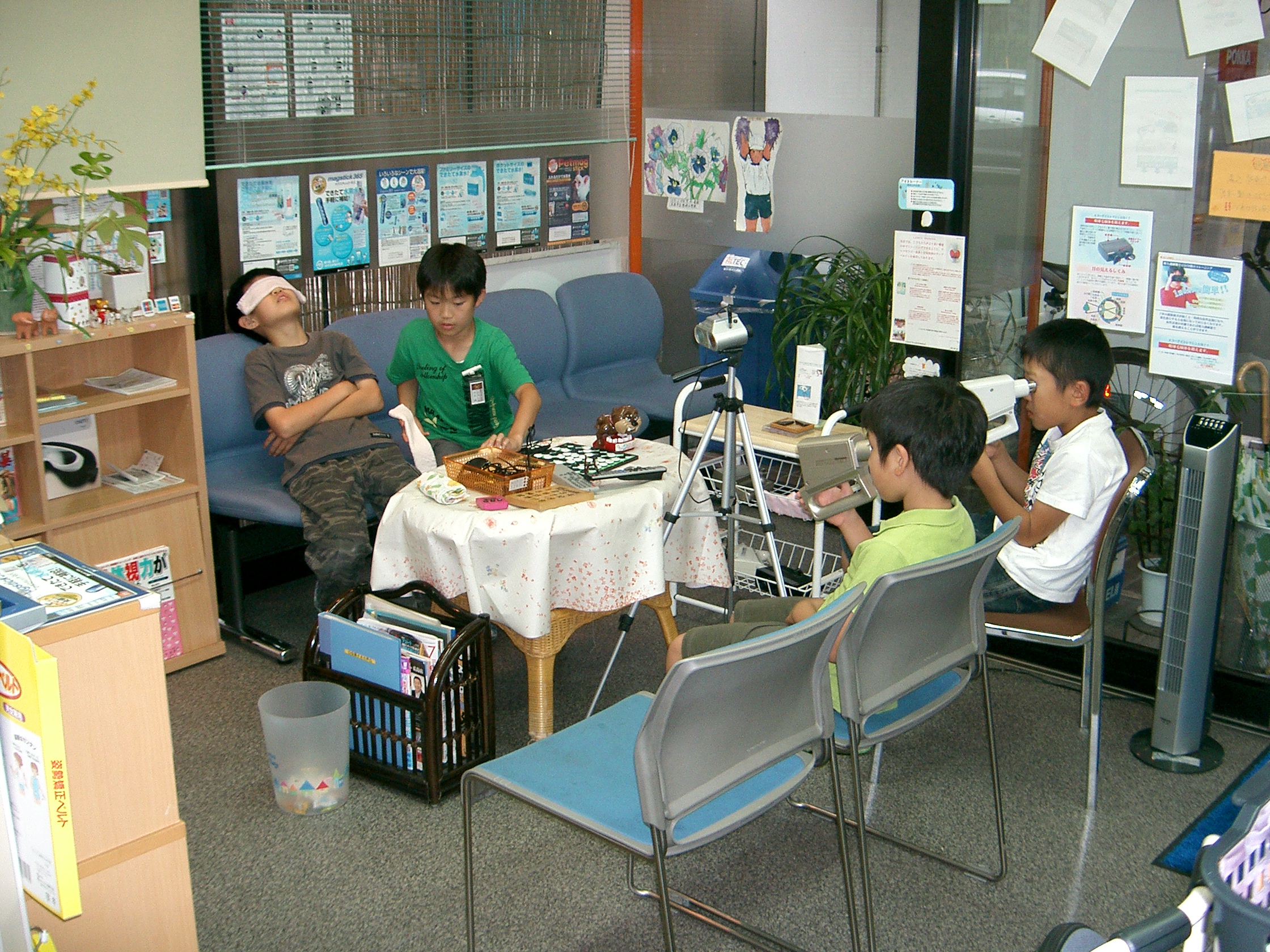
In recent years, the number of people suffering from vision problems (myopia, hyperopia, astigmatism, presbyopia, amblyopia, and anisometropia) has been increasing nationwide, becoming a major social problem. In particular, vision problems among elementary, junior high, and high school students are at an all-time high. According to the 2022 Ministry of Education, Culture, Sports, Science and Technology School Health Statistics Survey, the percentage of students with uncorrected visual acuity below 1.0 was record highs: 24.95% for kindergarteners, 37.88% for elementary school students, 61.23% for junior high school students, and 71.56% for high school students. It is expected that vision problems will continue to occur at younger ages due to increased use of smartphones, tablets, and PCs for watching YouTube, TikTok, and playing games. Furthermore, relying too easily on glasses from a young age increases the likelihood of developing severe myopia later in life. On the other hand, while the number of people suffering from age-related presbyopia, eye problems, dry eyes, and eye strain is also increasing, many of these symptoms can be improved through "eye training"!
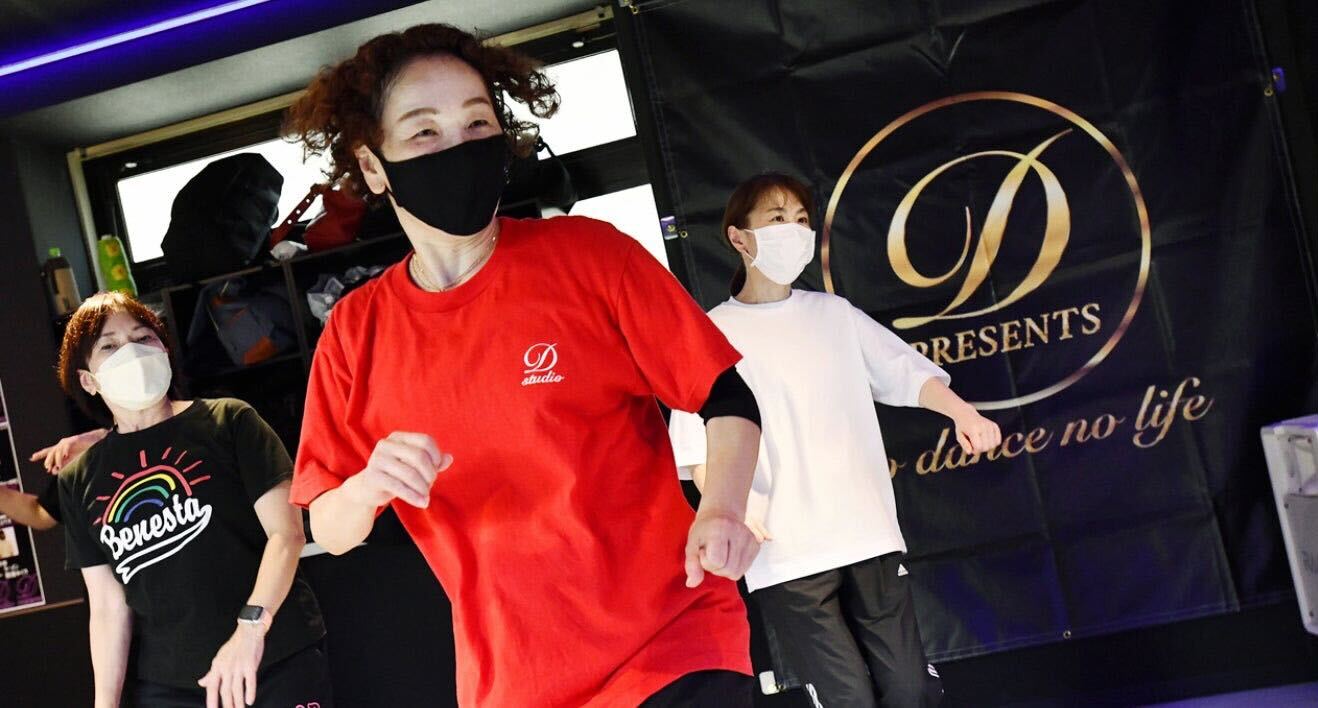


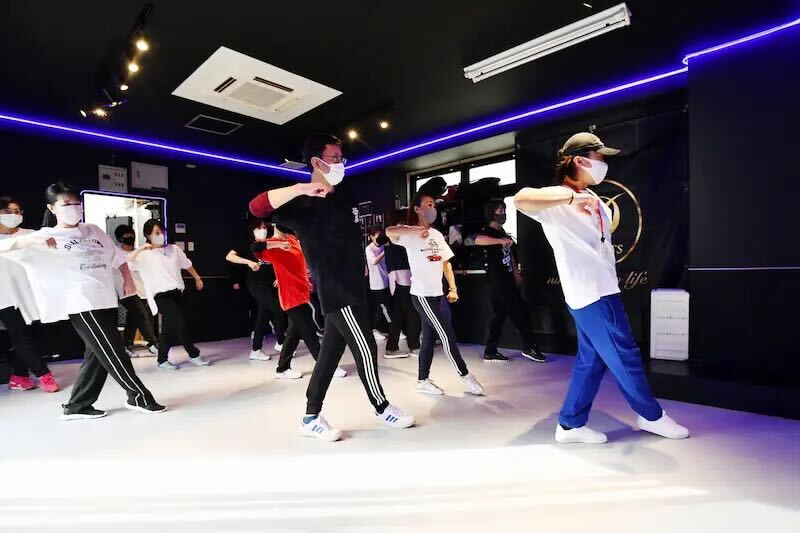
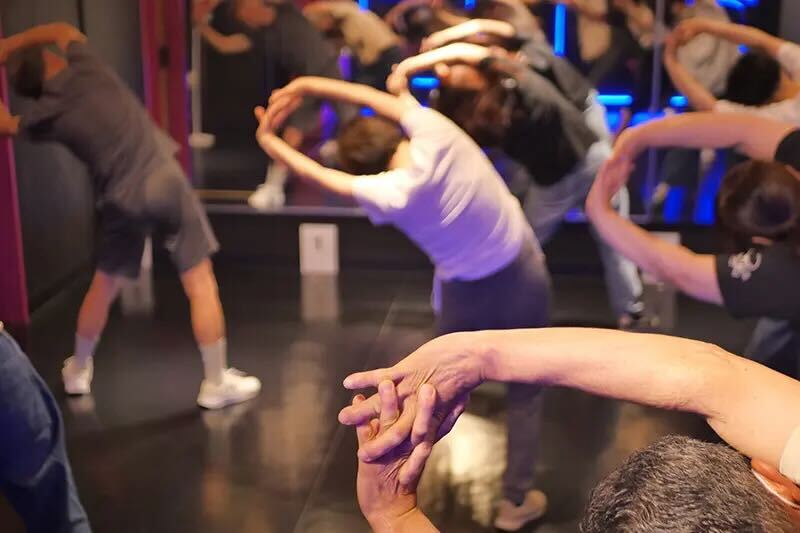
Because dance studios require minimal equipment, the initial investment is relatively low compared to other franchise businesses, at ¥3.32 million*. *Property acquisition costs, interior renovations, etc., will vary depending on the condition of the property.
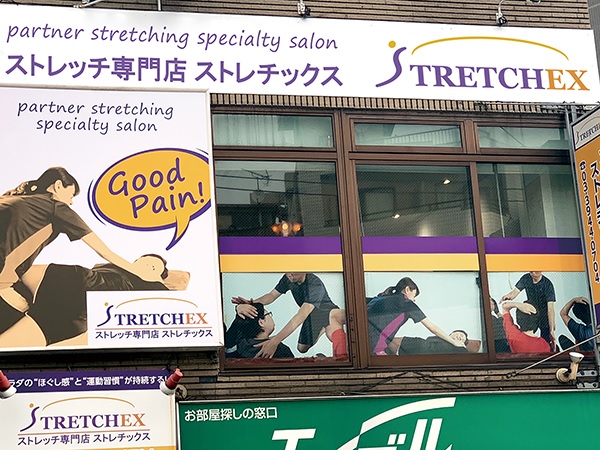


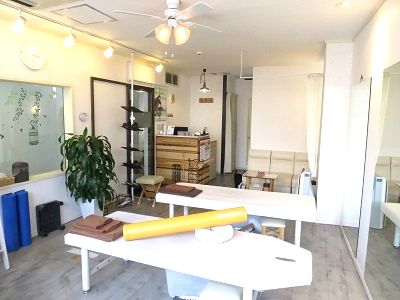
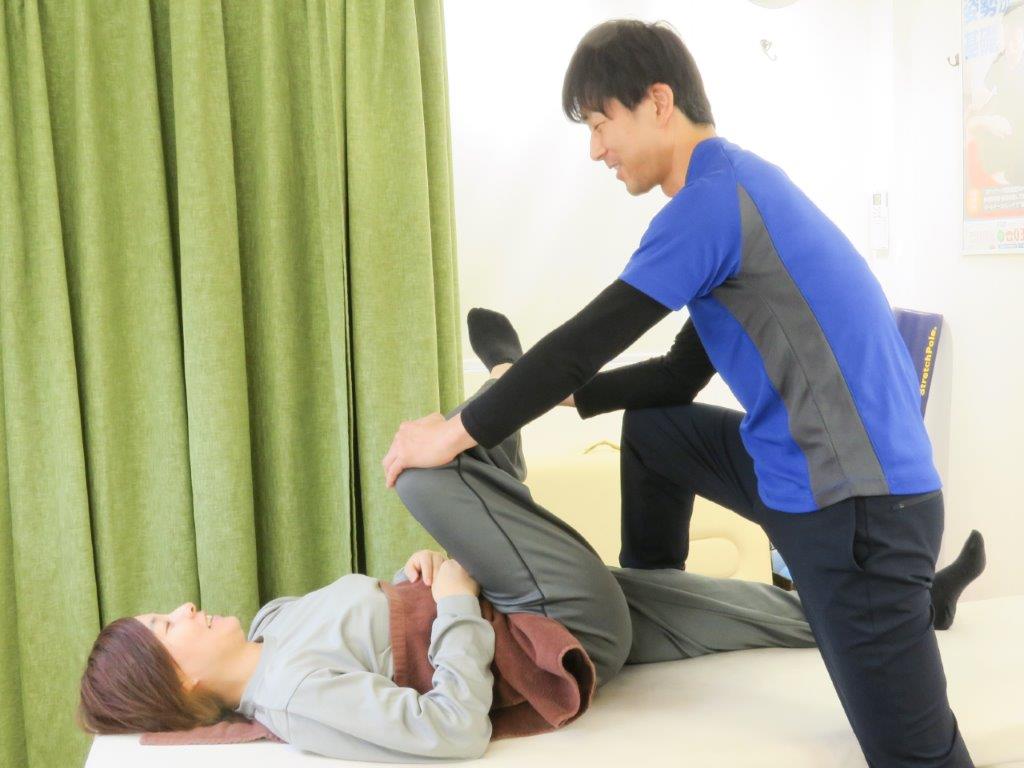
Responding to the social demand for "controlling medical and long-term care benefit costs" to ensure the sustainability of social security, Japan's finances are strained as tax revenues cannot keep pace with the expansion of social security costs (medical care, long-term care, and pensions). Especially regarding medical expenses, which account for a large portion of these costs, the government believes that revitalizing the next-generation healthcare industry (preventive and health management services outside of public insurance) can help control medical expenses for lifestyle-related diseases. The government's strategy is shifting towards "prevention-focused" care. By shifting costs related to chronic medical care for lifestyle-related diseases and other conditions to prevention and disease management, the aim is to "extend healthy life expectancy and create a society where people can live long and healthy lives," thereby aiming to reduce the total medical expenses an individual will incur over their lifetime, and the government is supporting the creation of new businesses in this area. The "anti-fatigue and relaxation" market size is projected to exceed 12.1 trillion yen in fiscal year 2020, up from 4.9 trillion yen in 2007. Incidentally, long-term care benefit costs are projected to increase from 6.7 trillion yen in 2007 to 12.2 trillion yen in 2020, making it one of the few growth markets in mature Japan. Furthermore, in an aging society (by 2025, one in four people will be 75 years of age or older), consumer awareness of "prevention" is increasing, and awareness of "preventive medicine" and "elderly care prevention" services is expanding.
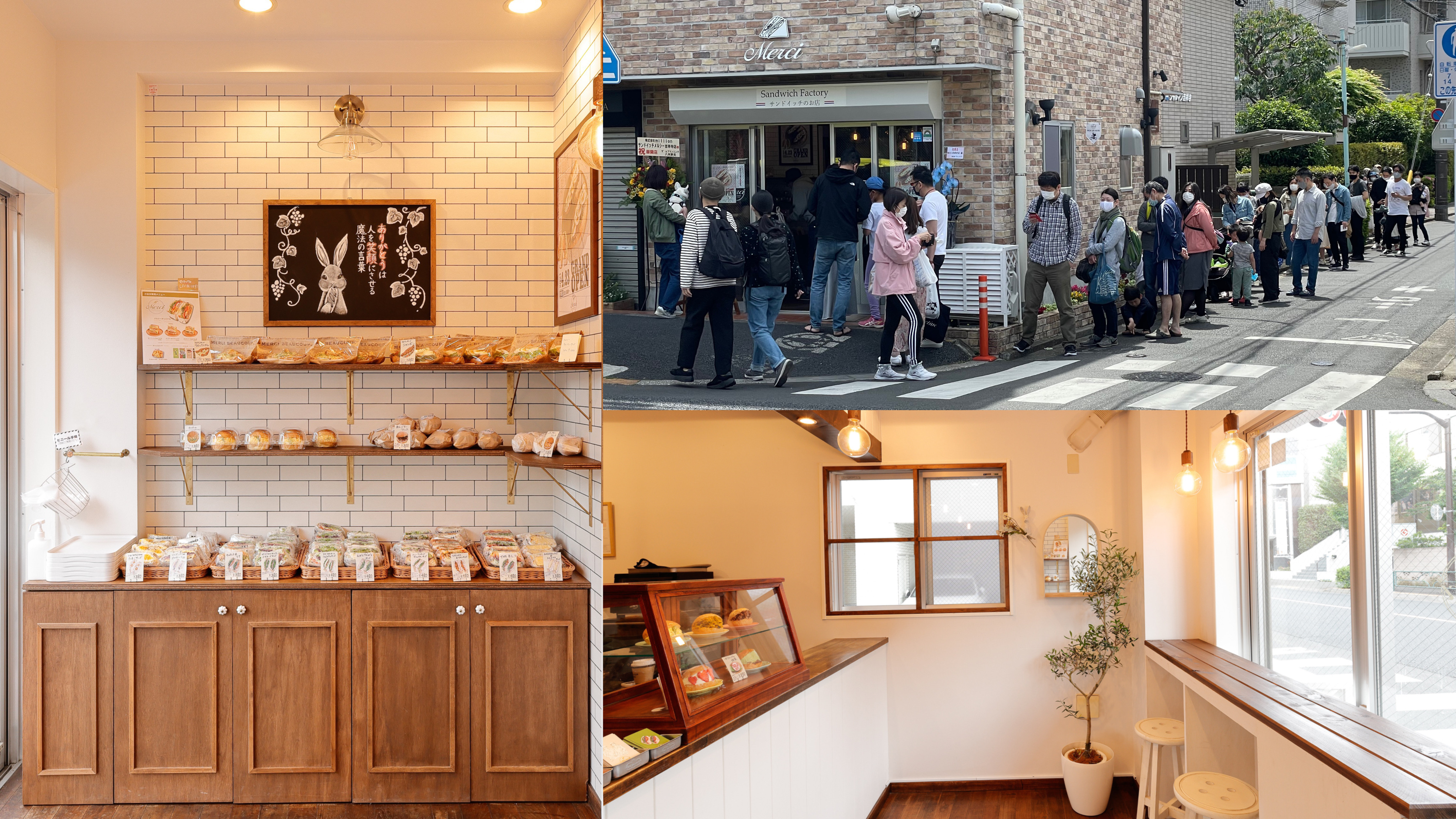

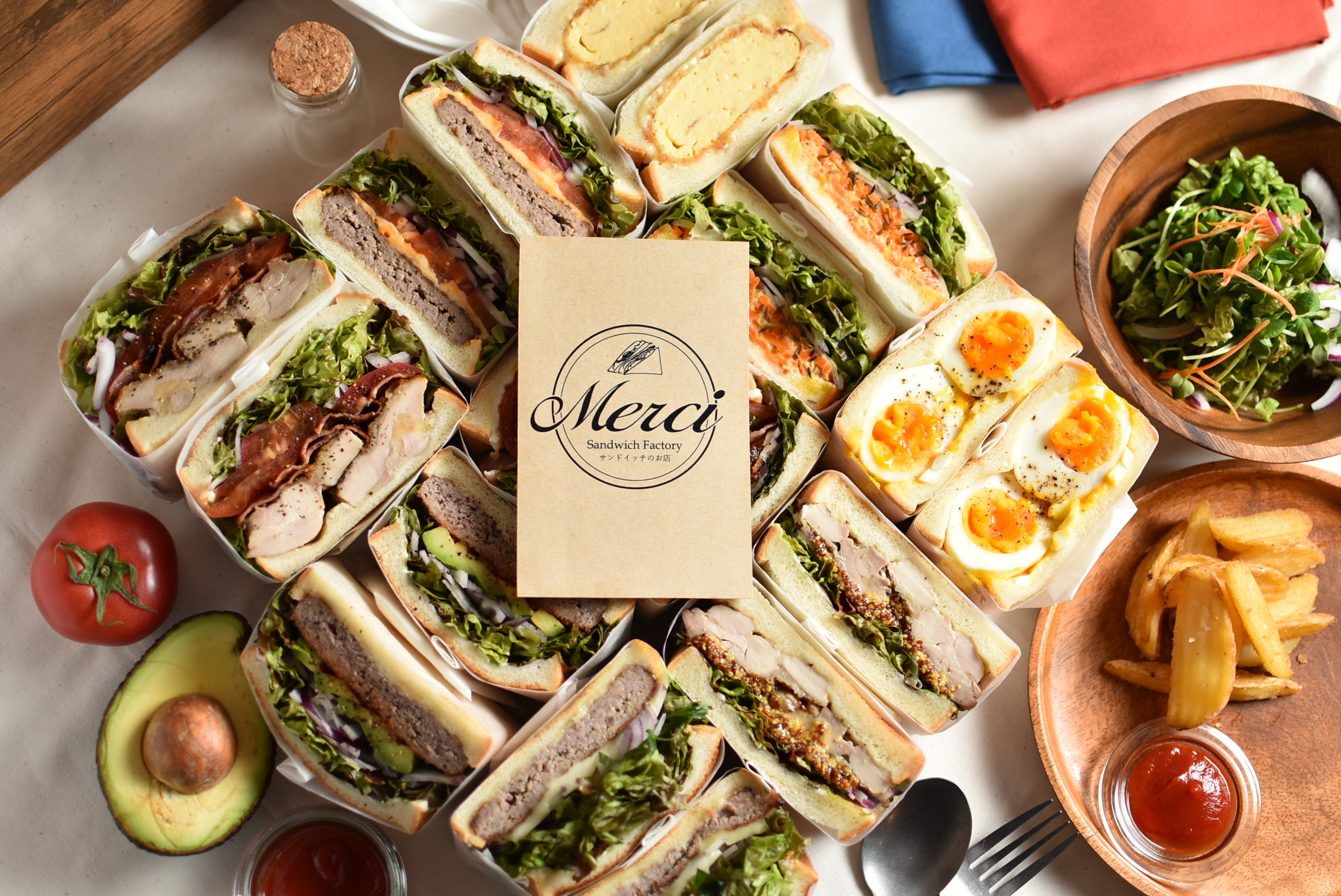
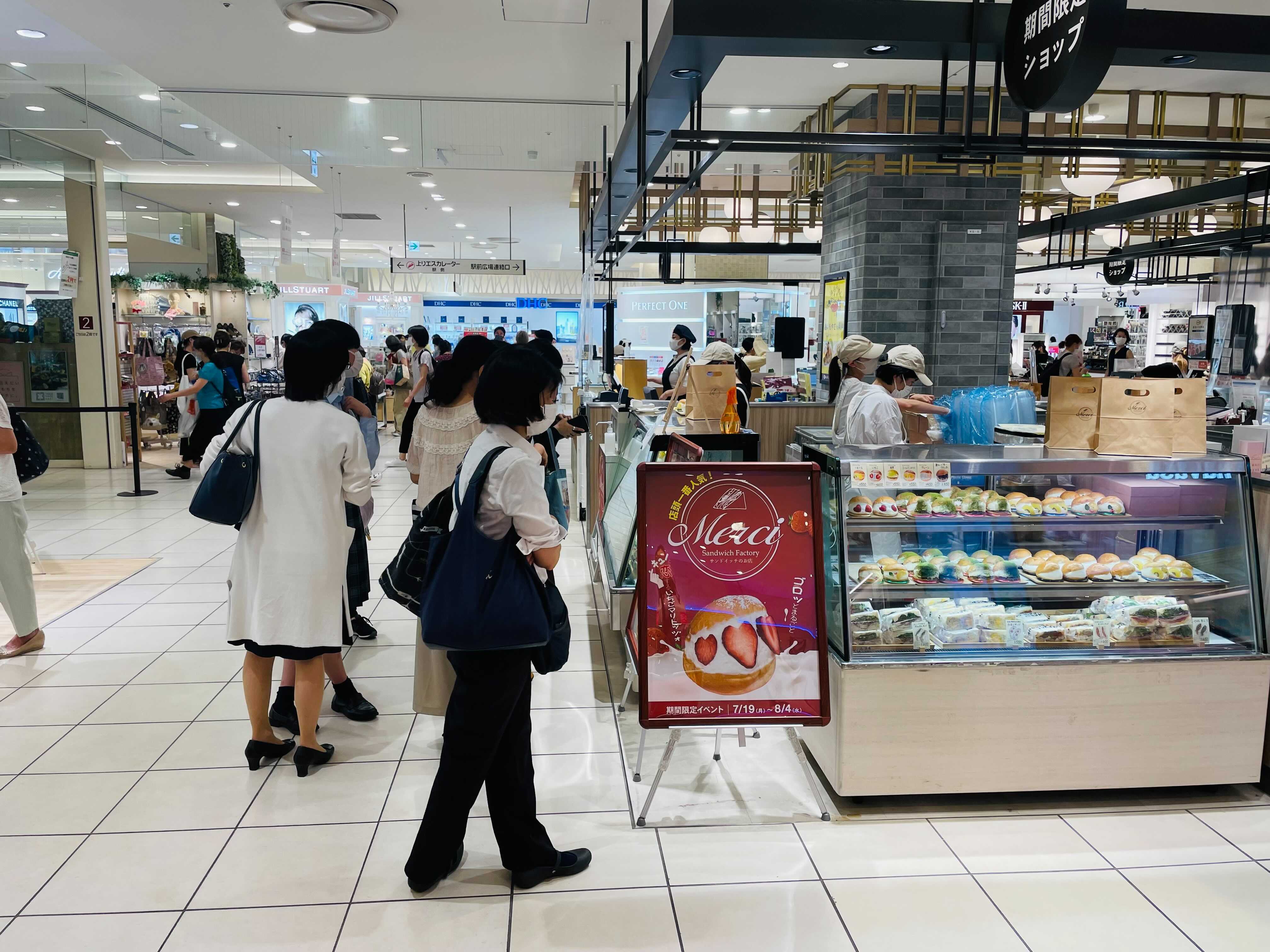
From maritozzo to fruit sandwiches and cheesecake sandwiches, we'll continue to develop and offer new products one after another!

■Full support from the headquarters' web marketing team ■Escape reliance on flyers by attracting customers through SEO, MEO, and SNS advertising ■Acquire repeat customers through store brand power x high-price purchases As someone who already knows the industry, headquarters will fully support you so that you can become independent or try again with a "winning system". ■Web Customer Acquisition Support A specialized team provides thorough support from setup to operation, including SEO, MEO, and SNS advertising. ■Appraisal Support (SV Remote Support) SVs provide constant remote support even during business hours. Even those who are unsure about appraisals can rest assured. ■Funding and Financial Support We also provide introductions to financial institutions and support for financial planning as needed. ■On-site Purchase Support Franchise stores can directly handle on-site appraisal requests received from headquarters' official website and receive 100% of the profit!
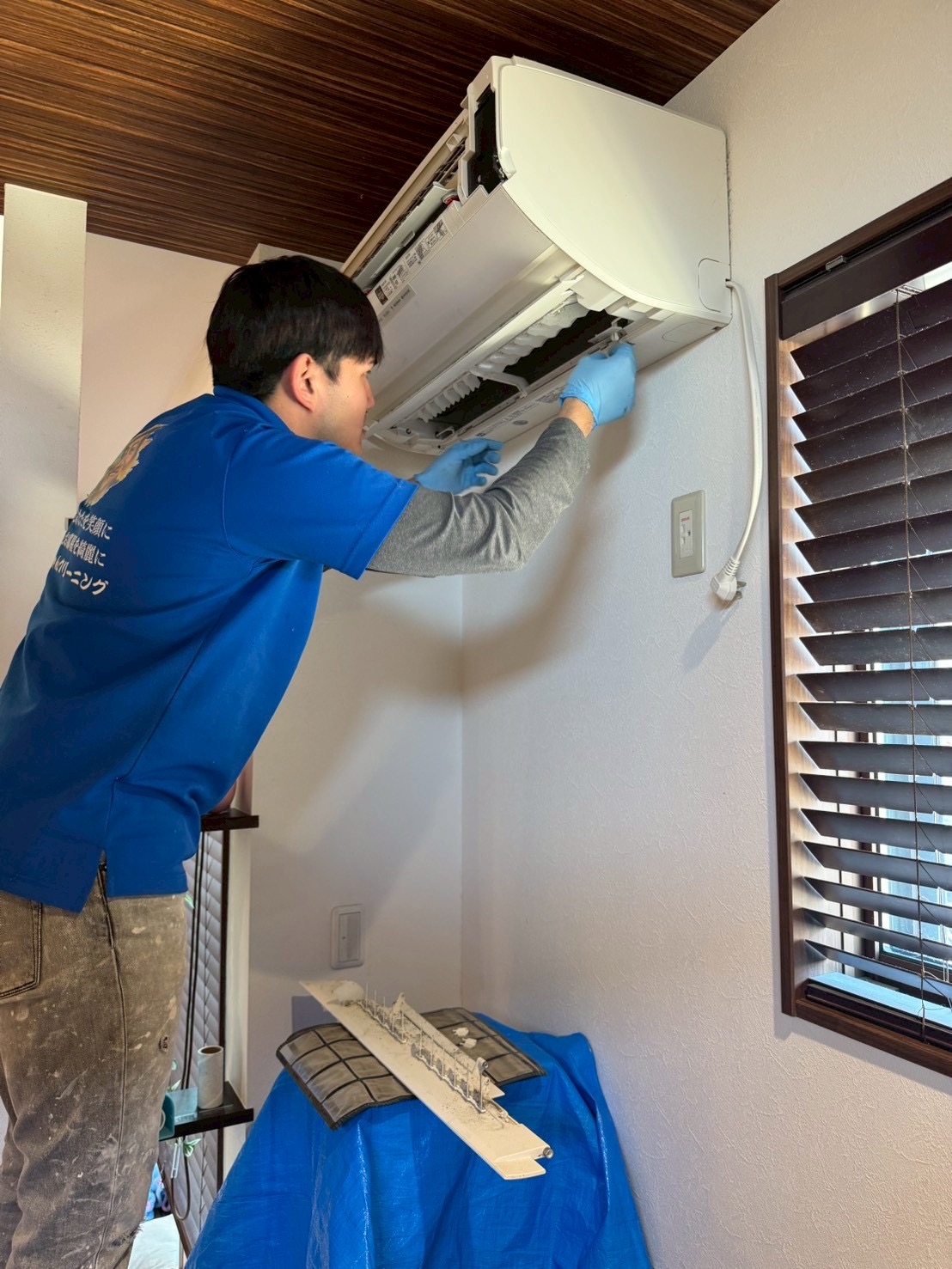


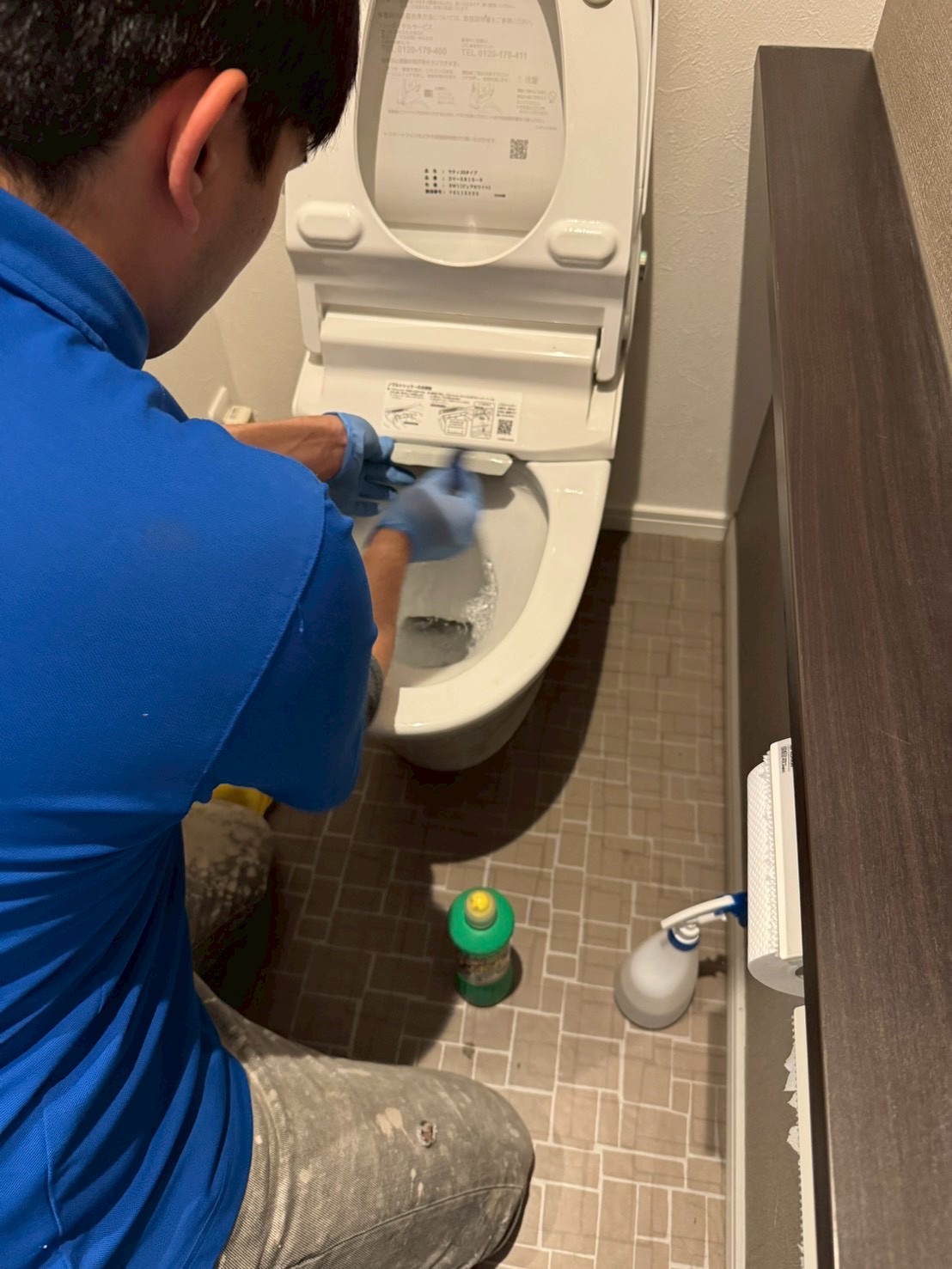
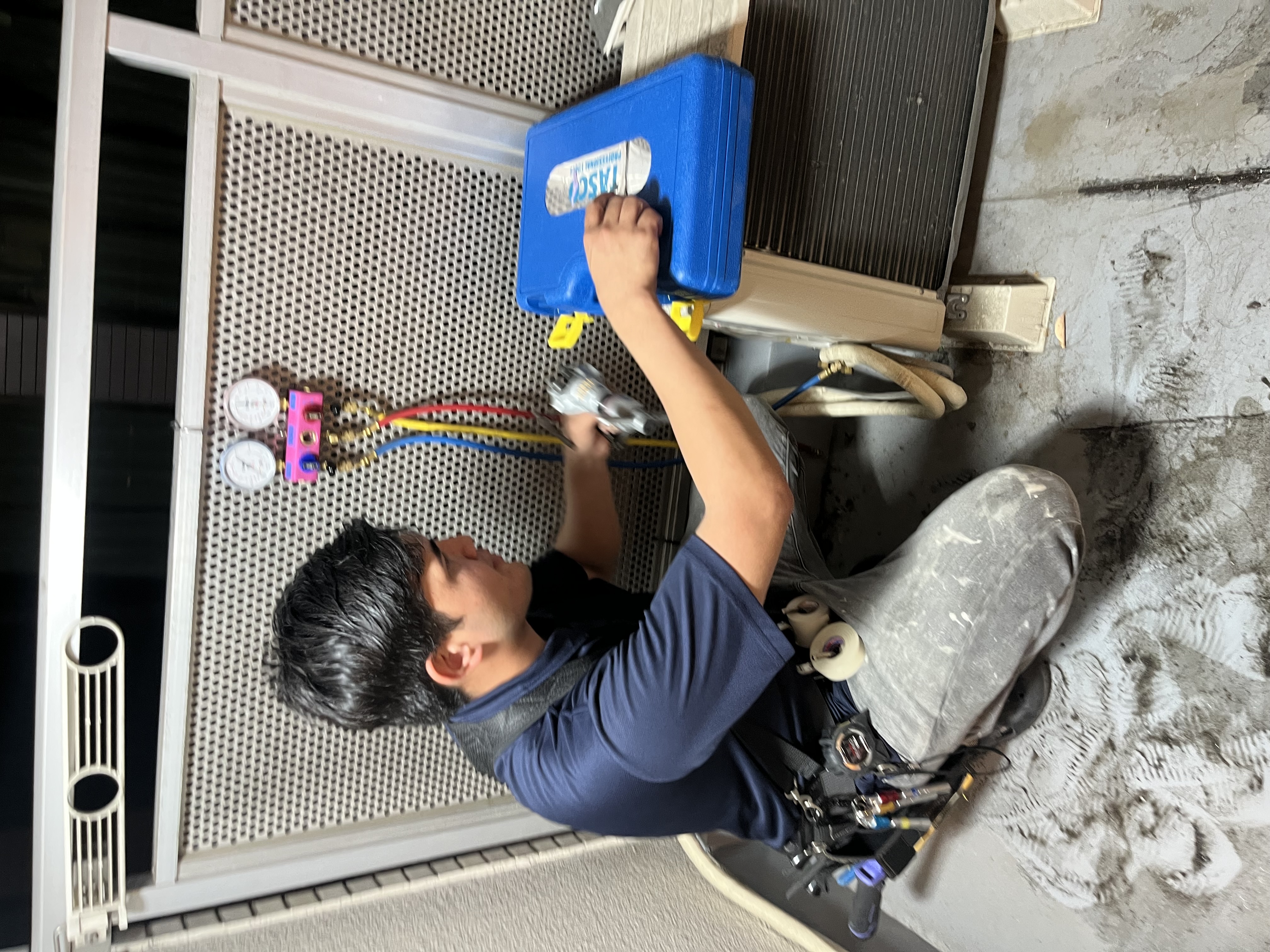
Sun-Light-Group is a highly profitable business model that focuses on high-priced services such as air conditioner cleaning, bathroom cleaning, repair, and installation, through its house cleaning and air conditioning businesses. The headquarters handles customer acquisition, allowing franchisees to concentrate on their work. Even a single franchisee can aim for monthly sales of over 1.2 million yen, and during the peak air conditioner season, monthly sales of 2 to 3 million yen are entirely possible. Furthermore, unique services such as the highly repeatable "Nico-tto Plan" ensure a stable supply of projects and consistent revenue.
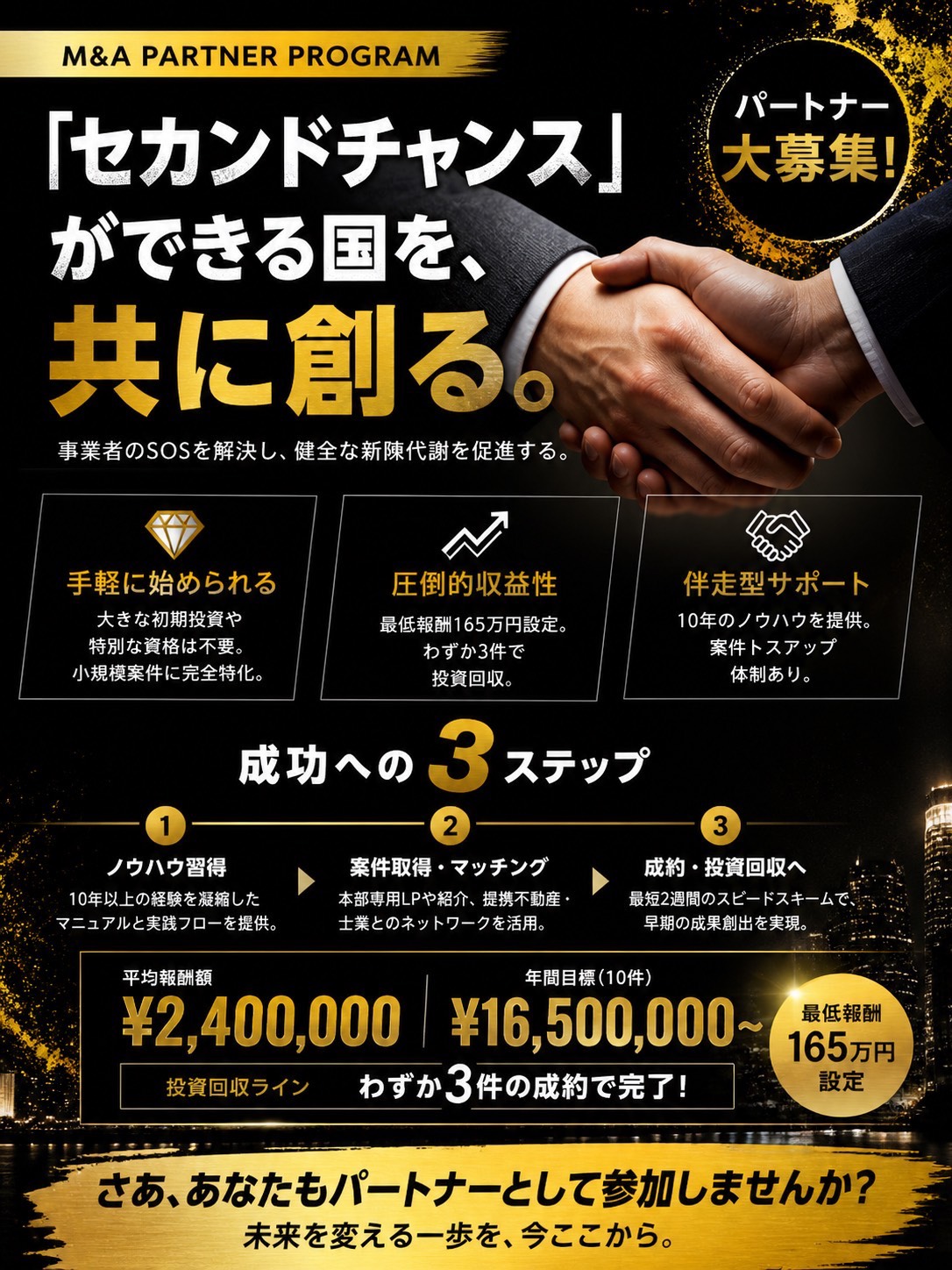


No large initial investment or special qualifications are required. This model is fully specialized for small-scale projects, making it suitable for both side hustles and full-time employment.
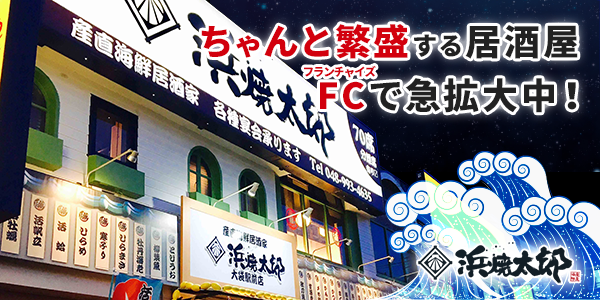


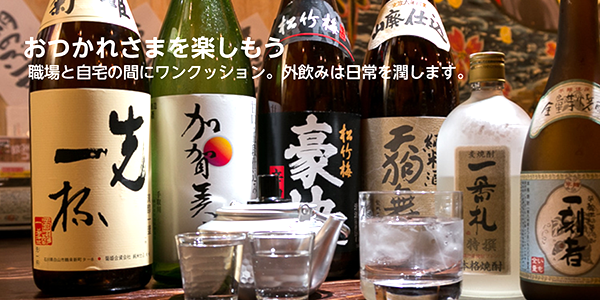
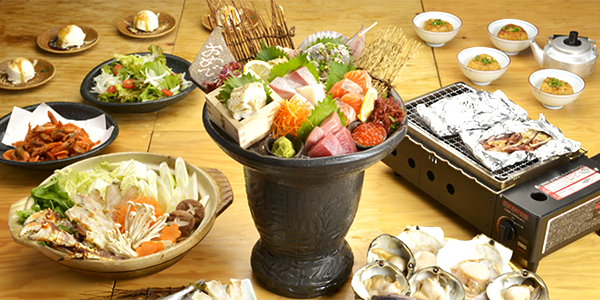
The appeal of Hamayaki Taro lies in its "self-cooking system," where customers grill their own food. This eliminates the need for many cooks, and staff can handle both front-of-house and kitchen duties, allowing for small-scale operations and lower labor costs. Furthermore, if you choose a pre-existing space, interior construction costs can start at a low 190,000 yen per tsubo (approximately 3.3 square meters). This cost reduction is achieved by adopting a simple "beach house" interior concept for Hamayaki Taro. Both the self-cooking system and the interior concept directly contribute to "low costs," and the more successful the restaurant becomes, the more effective it becomes!
Starting from scratch Excellent support Start with low capital




 Help
Help